Columbus, Ohio / Residential services
Residential Mold Services
Mold inspection identifies affected areas and the moisture behind them. Remediation addresses the growth and the conditions that allowed it to develop. For a Columbus homeowner, knowing the source comes first.
Request a Mold Inspection
Tell us about your home. Select Residential to see the mold option.
Inspection defines the problem. Remediation follows the scope.
Why both steps matter
Mold and moisture need to be addressed together
Mold can grow when materials stay damp. Cleaning a visible spot may leave the leak, condensation or other moisture problem untouched. That is why the first question is not just where the mold appears, but what is keeping that part of the home wet. Read What Is Mold? for the basics.
An inspection looks at the affected area and the moisture source. Remediation then deals with the materials involved, while the water condition needs to be fixed or controlled to reduce the chance of regrowth.
Read common questions →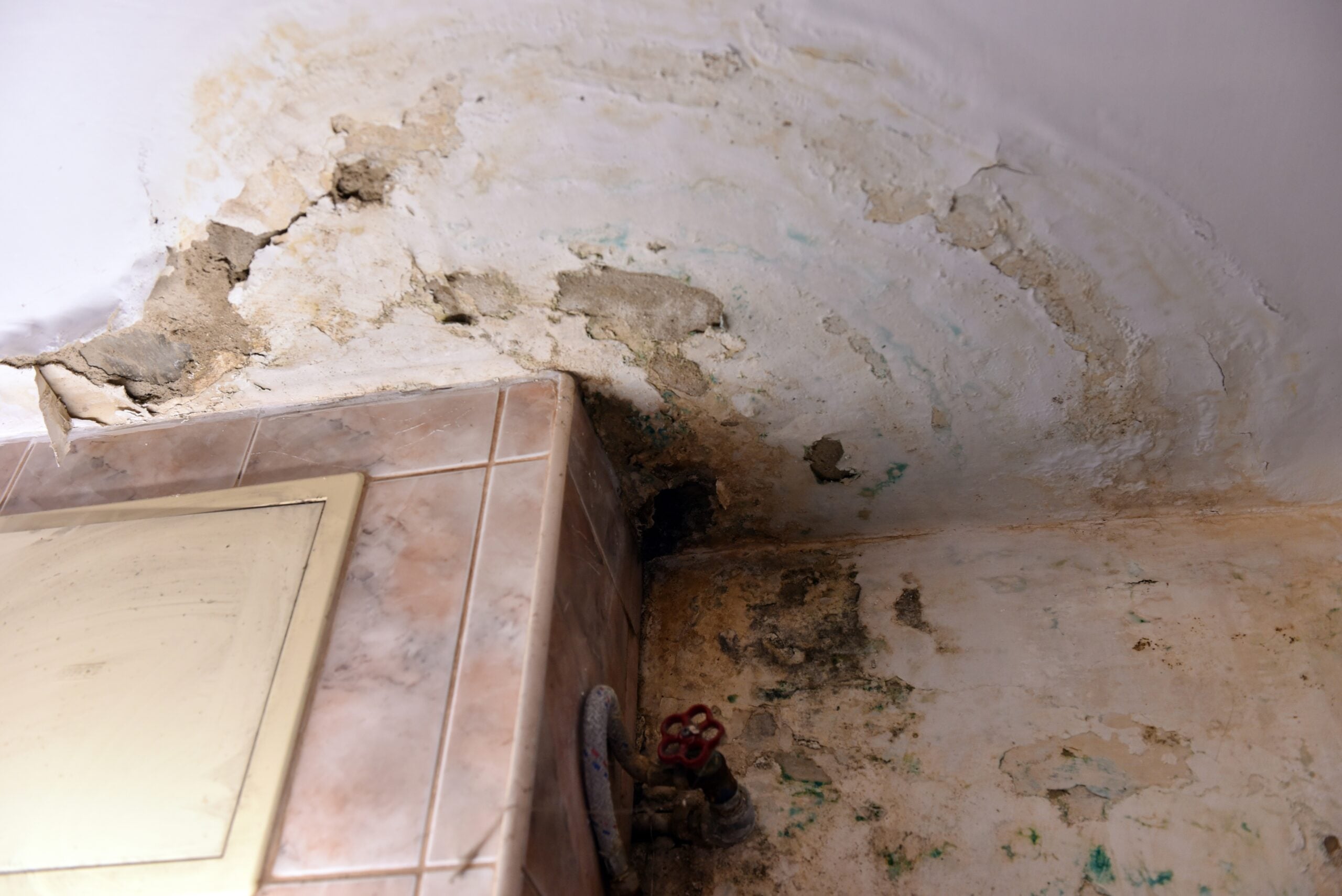
Residential mold services
Inspection and remediation have different jobs
First, understand where the problem is and what is keeping the area damp. Then the work can be planned around the affected materials and the moisture source. See Mold Remediation in Columbus for the local service overview.
Mold Inspection
An on-site assessment looks for affected areas, traces moisture and establishes what work may be needed. The findings are used to set a written scope before remediation begins.
Mold Remediation
Remediation may include containment, cleaning or removing affected materials, and addressing the moisture condition behind the growth. The approach depends on the inspection and the materials involved.
The service journey
Understand the issue before work begins
An inspection helps define the affected area and the moisture behind it. Those findings shape the scope of work.
Look at the affected space
Identify visible or suspected growth and the conditions around it.
Set the scope
Trace the moisture and outline which materials and areas need attention.
Address mold and moisture
Carry out the work appropriate to the scope and correct or control the water condition.
When to take a closer look
Signs of a possible mold problem
These clues cannot show the full extent of a problem on their own. They can tell you where an inspection should begin, particularly after a leak or water event.
- 01Visible growth or discoloration
- 02A musty odor that does not go away
- 03Water stains, peeling paint or warped materials
- 04Recently wet materials that have not dried fully
Related RBG service
Crawl-space moisture can be part of the picture
Radon Be Gone already offers crawl-space encapsulation in Columbus. If moisture in that space is contributing to a mold concern, an inspection can help determine whether that separate service is relevant to the home.
Explore Crawl-Space EncapsulationAbout Radon Be Gone
Based in Columbus since 2006
Radon Be Gone has served Columbus-area homeowners since 2006 and is a BBB A+ Rated Home Services Company. Its residential work includes radon services and crawl-space encapsulation. The company is part of Protect Environmental, which offers residential mold inspection and remediation in other markets.
About Radon Be GoneCommon questions
Before you decide what to do
What is the difference between mold inspection and remediation?
Inspection identifies where the problem is, how far it may extend and where the moisture is coming from. Remediation addresses the affected materials according to that scope. The two services belong to the same path, but they are not the same work.
Do I need laboratory mold testing first?
Not necessarily. The EPA says sampling is usually unnecessary when mold growth is visible. An inspection can still help determine the extent of the problem and the moisture behind it. Testing may be useful in specific circumstances and should have a clear purpose.
Can mold return after it is removed?
Yes, if a moisture problem remains or another one develops. The EPA advises homeowners to clean up mold and fix the water problem. Addressing both reduces the conditions that allow growth to return, but no home can be promised freedom from future leaks.
What should I do after a leak?
Stop the water source and dry wet materials as soon as possible. The EPA recommends drying water-damaged areas within 24 to 48 hours to help prevent mold growth. If materials remain damp or you find visible growth, an inspection can help define the next step.
Residential mold services
Ask about mold in your home
Describe what you have noticed and whether the area has been wet. The first step is to understand the affected space and the moisture behind it.