Radon Resistant New Construction in Columbus, Ohio
Build radon protection into your new home from day one. The most effective and cost-efficient way to manage radon risk in new construction.
Incorporating radon protection during construction is far less expensive than retrofitting a mitigation system after the home is finished. It also delivers cleaner indoor air, lower long-term mitigation costs, and added home value.
Our team works with Central Ohio homebuilders and homebuyers to design and install Radon Resistant New Construction (RRNC) systems, backed by the engineering expertise of Protect Environmental.
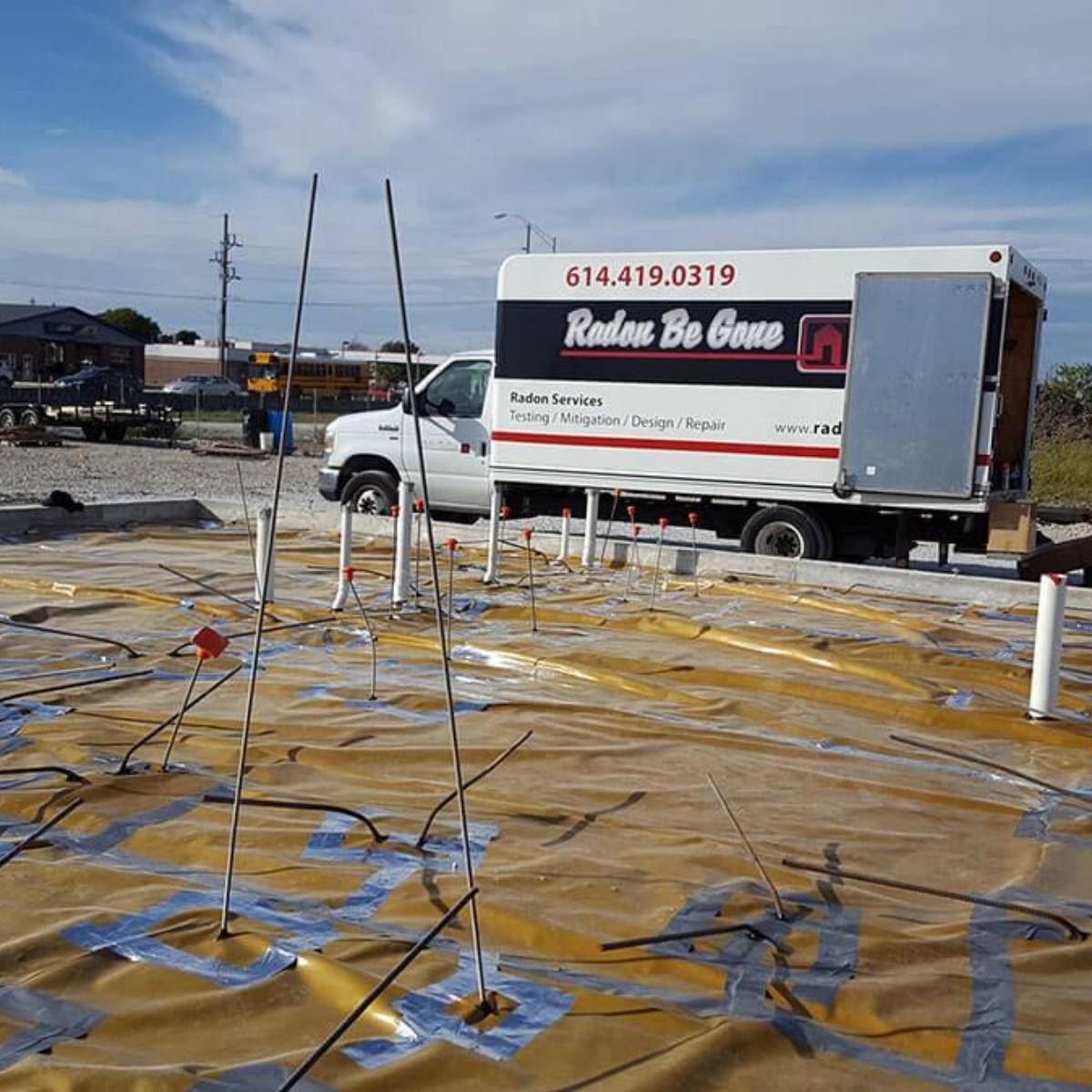
Radon Resistant New Construction (RRNC) is the practice of installing radon control features during a home’s construction phase. RRNC systems use a gas-permeable layer beneath the foundation, sealed slab penetrations, and sub-slab vent piping to safely redirect soil gases above the roofline, reducing radon exposure and lowering future mitigation costs.
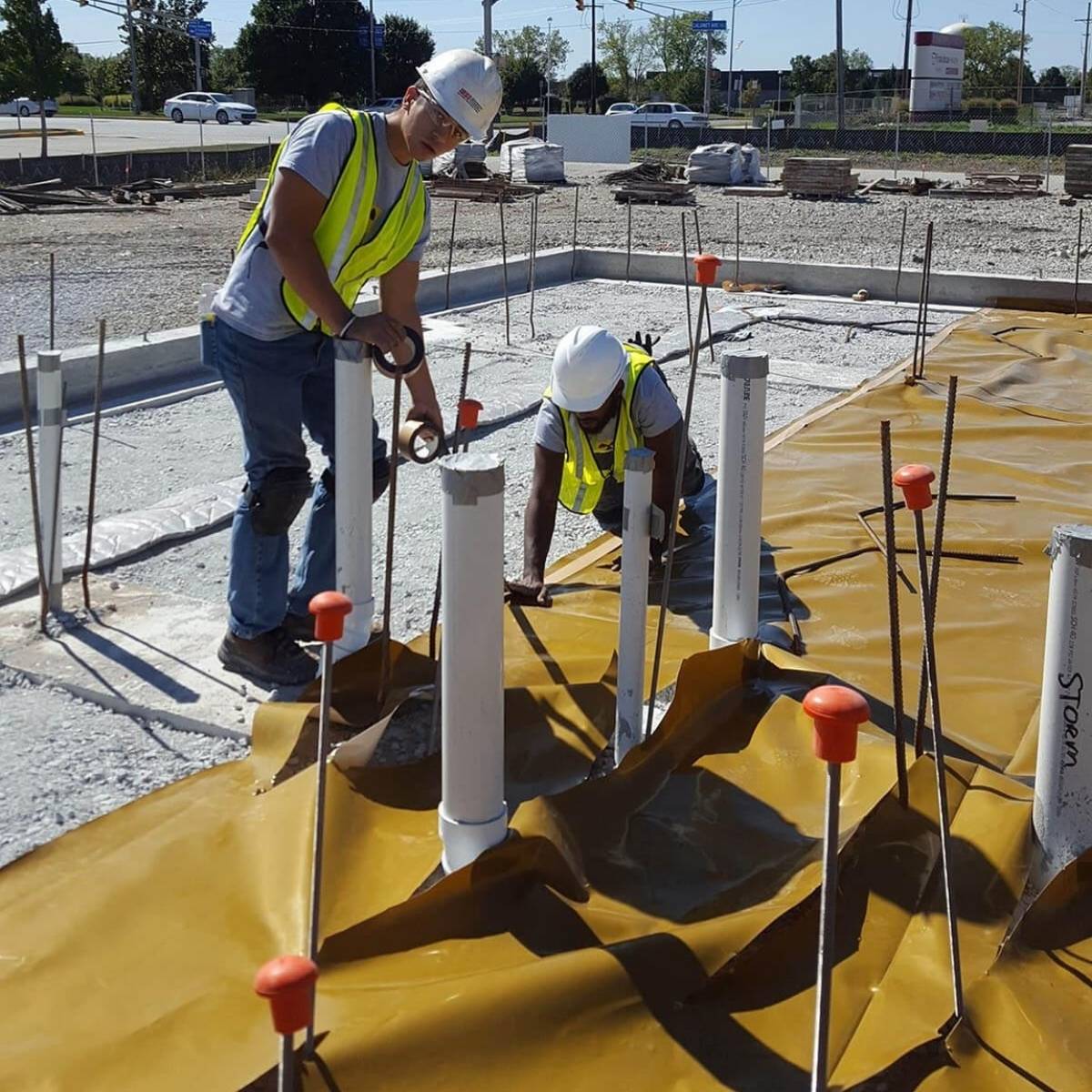
Why Build Radon Protection In From Day One
Central Ohio sits in a region where elevated radon levels are commondue to the underlying geology and soil conditions. Building radon protection into a new home from the start is the most effective way to manage that risk.
Installing RRNC during construction is significantly less expensive than retrofitting a full mitigation system later. It also delivers cleaner indoor air from the day the home is occupied, helps protect the foundation from moisture vapor, and adds long-term value.
For homebuilders, RRNC is a simple way to deliver healthier homes and reduce future warranty and liability exposure.
How RRNC Systems Work
RRNC systems are designed to safely direct soil gases, including radon, away from the home before they can accumulate in occupied spaces. When properly designed and installed, these systems significantly reduce radon levels in new homes.
A complete RRNC system typically includes:
Benefits of Radon Resistant New Construction
Lower costs, healthier air, and added home value when radon is addressed at the foundation stage.
Lower long-term costs
Installing during construction is far more affordable than retrofitting a mitigation system after the home is finished.
Healthier indoor air
Soil gases are redirected away from the home before they can enter living spaces, protecting occupants from day one.
Moisture and mold control
The same design elements help reduce sub-slab moisture vapor, supporting better moisture management beneath the home.
Added home value
Radon-protected homes appeal to buyers, support healthier-home expectations, and reduce future warranty exposure for builders.
How We Support Builders and Homeowners
From design consultation to post-construction verification, we work alongside your project team.
Working With Builders, Architects, and Homeowners
Radon risk is increasingly being considered during the design and construction process as builders, developers, and property owners look for ways to create healthier homes while reducing long-term liability.
Our team partners directly with builders, architects, engineers, and homebuyers to incorporate radon-resistant strategies during the building phase. Designing radon protection early allows construction teams to address soil gas movement efficiently, avoiding the higher costs of retrofitting after a home is completed.
Through the national resources of Protect Environmental, our team can also support advanced diagnostics, engineering consultation, and mitigation design when projects require it.

Serving New Construction Projects Across Central Ohio
Central Ohio is in a region where elevated radon levels are common due to the underlying geology and soil conditions. Incorporating radon protection during construction helps ensure new homes are prepared to manage these risks from day one.
Our team supports new construction projects throughout Columbus and the surrounding Central Ohio region, working closely with builders and homeowners to deliver practical radon solutions that protect occupants and add long-term property value.

What Our Customers Say


RRNC FAQs
What is Radon Resistant New Construction (RRNC)?
RRNC is the practice of building radon control features into a home during construction, including a gas-permeable layer, sealed foundation joints, and sub-slab vent piping that routes radon safely above the roofline.
Is RRNC cheaper than installing a mitigation system later?
Yes. Installing RRNC during construction is significantly less expensive than retrofitting a mitigation system after the home is finished, because the components are integrated into the foundation while it is still being built.
Does RRNC eliminate the need for radon testing?
No. Even with RRNC installed, the EPA recommends post-construction radon testing to confirm the system is working effectively and indoor levels are below the action level of 4.0 pCi/L.
What is the difference between passive and active RRNC systems?
Passive systems rely on natural airflow to vent radon out of the home. Active systems include a fan that creates negative pressure beneath the foundation. The right approach depends on the home’s design and radon risk.
Does RRNC help with moisture or mold?
Yes. The same design elements that control radon, like gas-permeable layers and sealed penetrations, also help reduce moisture vapor beneath the foundation, supporting better long-term moisture management.
Do you work directly with homebuilders and architects?
Yes. We work with builders, architects, engineers, and homeowners to design and install RRNC systems during the construction phase, with engineering support available through Protect Environmental.
Get a FREE Radon for
New Construction Quote Today!
Protect your home against radon from the ground up with our professional radon resistant new construction services. Call or submit the form online to get a free quote today!
Professional Radon Testing
Knowing your radon risk starts with a radon test. If your levels are elevated, our expert radon mitigation services can reduce your levels and make your home a safe place to breathe.
Already Have a System? Make Sure It's Still Running Like It Should.
If you have a passive radon mitigation system installed, be sure you are testing your home for radon. If levels are elevated, activating an existing passive system with a fan is a quick fix!