Mold basics / Columbus, Ohio
What is mold?
Mold is a type of fungus that spreads through tiny spores. Indoors, those spores can grow when they settle on materials that stay damp. The important question is what is keeping that area wet.
Understand how it growsRequest a Mold Inspection
Tell us about your home. Select Residential to see the mold option.
The basics
Why mold grows indoors.
Mold spores are part of the normal environment. A problem develops when they land on a wet surface and the damp conditions continue.
Spores are present
Microscopic spores move through indoor and outdoor air. Their presence alone does not mean there is an indoor growth problem.
A surface stays damp
Drywall, wood, carpet and other materials can support growth when moisture remains.
Growth takes hold
Once mold grows on a material, removing the visible patch without correcting the moisture can leave the cause in place.

Look for the water
Where does the moisture come from?
There is no single source. A leak may be obvious; condensation or persistent humidity may be easier to miss. Understanding the source matters as much as finding the growth.
- Roof or plumbing leaks
- Water left after a flood or other damage
- Condensation and spaces that remain humid
What to notice
Mold does not always announce itself the same way.
The clues below are reasons to look more closely at the area and its moisture conditions.
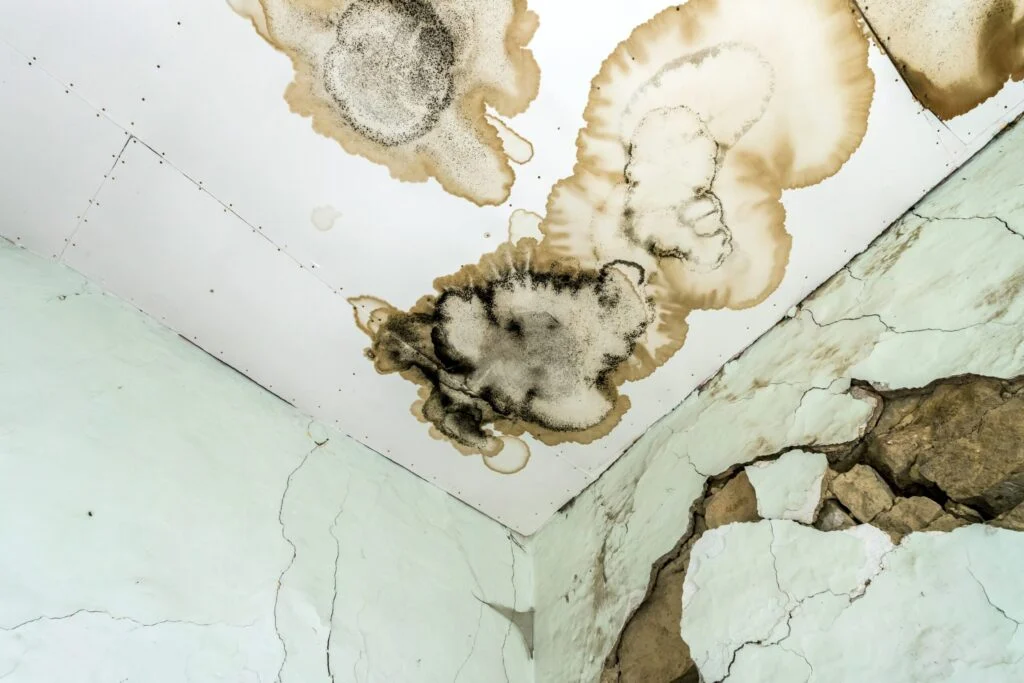
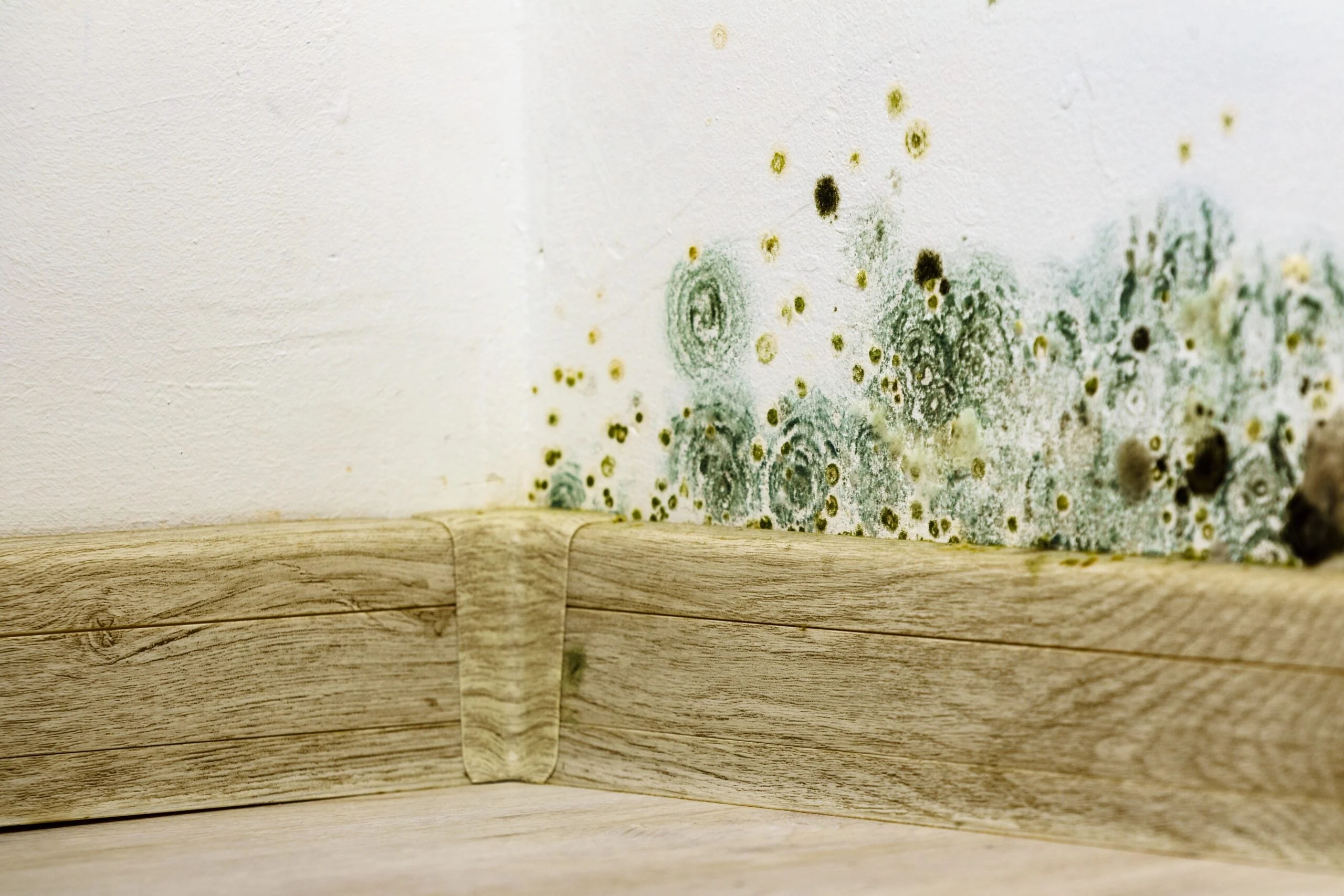
Visible spots or discoloration
Growth may appear in different colors. Color alone does not tell you how serious the problem is.
A persistent musty odor
A smell may draw attention to a damp area even when growth is not immediately visible.
Water stains or damaged finishes
Staining, peeling paint, bubbling or warping can point to a current or past water problem.
Inspection and testing
If you can see mold, do you need a test?
Usually, identifying the species is not the first step. When growth is visible, the priority is to understand the affected area and the moisture behind it.
Learn about mold inspectionWhat comes next
Find the source. Then plan the work.
Mold cleanup and moisture correction belong together. For a Columbus home, the first practical step is to understand what is affected and why it stayed damp. The findings can then guide the scope of any remediation.
Start with an inspection
Look at the suspected growth, nearby materials and possible moisture source.
Mold inspectionUnderstand remediation
See how the affected materials and the water condition shape the work.
Mold remediationCommon questions
Short answers about mold.
Is all mold “black mold”?
No. Mold can appear in black, green, gray or white. Color alone does not tell you how serious an indoor mold problem is. If growth is present, the useful next step is to understand which materials are affected and what is keeping them damp.
Can mold grow after a leak?
Yes. Mold can begin to grow when materials stay wet after a leak or other water event. The EPA recommends drying water-damaged areas and items within 24–48 hours to help prevent growth. If staining or growth remains, look for the moisture source rather than focusing only on the visible spot.
Will mold go away if the surface dries?
Drying removes the moisture mold needs to grow, but it does not remove existing growth from a surface. Mold may become inactive when an area dries and return if it gets wet again. The affected material still needs attention, and the moisture source needs to be addressed.
Can mold come back after it is removed?
Yes. Mold can return if the leak, condensation or other moisture condition that caused it is left unresolved, or if a new water problem develops. Removing visible growth and correcting the source of moisture belong together; keeping the area dry afterward helps prevent another problem.
Residential mold services in Columbus
Not sure what you are seeing?
Tell Radon Be Gone where you found it and whether the area has had a leak, stain or persistent dampness.
5220 Westerville Road, Columbus, OH 43231